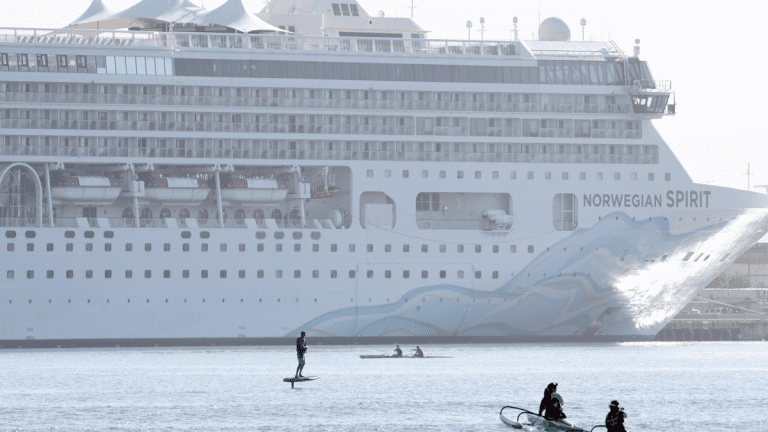
A federal appeals court has blocked Hawaiʻi from enforcing a new climate tax on cruise ship passengers. The ruling arrived on New Year’s Eve and immediately paused the law. The tax was scheduled to begin at the start of 2026.
The decision has sparked wide attention because the levy is unique in the United States. Hawaiʻi designed the tax to make tourism help fund climate protection efforts. However, cruise industry groups challenged the law and pushed the issue into federal court.
For now, the ruling prevents the state from collecting the tax from cruise passengers. The pause will remain in place while the appeals process continues.
What the blocked climate tax was meant to cover
Hawaiʻi passed the climate tax as part of a broader tourism funding strategy. The law increased existing taxes on hotels and vacation rentals across the state. At the same time, it introduced a new tax aimed specifically at cruise ship passengers. Under the law, cruise passengers would have paid an 11 percent tax on ticket fares.
The state planned to apply the tax only to the Hawaiʻi portion of each cruise. Officials used a prorated system based on days spent in Hawaiʻi ports. In addition, counties could add an extra surcharge of up to 3 percent. That option would have raised the total tax to 14 percent of prorated fares.
Supporters argued this approach treated cruise visitors more fairly. State leaders said the tax addressed rising climate-related costs. They pointed to eroding shorelines, wildfire risks, and environmental stress. Tourism, they argued, contributes to these pressures across the islands.
Officials estimated the tax could raise nearly $100 million each year. The funds were intended for climate adaptation and disaster response projects. These included shoreline repairs, wildfire prevention, and environmental protection efforts. Supporters also stressed that cruise ships bring large crowds at once. They argued that ports, roads, and natural areas face added strain. The tax aimed to ensure cruise tourism contributed to managing those impacts.
Why cruise companies took the issue to court
Cruise industry groups quickly challenged the new tax in federal court. They argued the law violated the U.S. Constitution. Their main claim focused on limits to state authority over maritime travel. The lawsuit said the tax effectively charged ships for entering Hawaiʻi ports.
According to the challenge, federal law restricts such state-level fees. The industry argued only the federal government can regulate maritime commerce. In addition, cruise companies warned the tax would raise ticket prices. They said higher fares could reduce demand for Hawaiʻi cruises. That, they argued, could harm tourism-related businesses and jobs.
The legal challenge focused only on the cruise ship provisions. It did not challenge higher taxes on hotels or vacation rentals. This narrow focus shaped how courts reviewed the law. A federal district court initially upheld the tax. The court ruled that Hawaiʻi acted within its authority. However, the cruise industry appealed that decision soon after.
The U.S. government also intervened and filed its own appeal. That move added national importance to the legal dispute. It highlighted broader questions about state and federal power.
Appeals court pauses enforcement while legal battle continues
Two judges from the 9th U.S. Circuit Court of Appeals reviewed the appeals. They granted an injunction that temporarily blocks the cruise tax. As a result, Hawaiʻi cannot enforce the law for now.
An injunction does not decide the case’s final outcome. Instead, it pauses enforcement to avoid potential harm. The court will later review the law in full. State officials have said they remain confident in the law. They believe the court will ultimately uphold the tax. However, the injunction keeps the status quo in place.
The ruling applies only to cruise ship provisions. Other tourism tax increases remain unaffected. Hotels and vacation rentals are not part of this pause. The timing of the decision drew attention nationwide. It came just before the new year and long before enforcement. Still, it showed how early legal challenges can delay major policies.
For cruise companies, the ruling offers temporary relief. They avoid collecting or paying the tax during appeals. For Hawaiʻi, the decision delays planned climate funding. The case reflects growing tension over climate policy funding. States increasingly look to tourism for environmental revenue. Federal courts now play a key role in shaping those efforts.